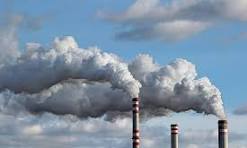
POLLUTION is one of the biggest environmental problems facing the world today. It refers to the contamination of the environment by harmful substances that negatively affect living organisms and natural resources. Pollution is mainly caused by human activities such as industrialization, urbanization, deforestation, excessive use of vehicles, and improper waste disposal. It not only damages the environment but also poses serious health risks to humans, animals, and plants.
There are several types of pollution, including air pollution, water pollution, soil pollution, noise pollution, and plastic pollution. Air pollution occurs when harmful gases, smoke, and dust are released into the atmosphere from factories, vehicles, and burning fossil fuels. This leads to respiratory diseases, climate change, and global warming. Water pollution is caused by the discharge of industrial waste, sewage, and chemicals into rivers, lakes, and oceans. Polluted water affects aquatic life and makes water unsafe for drinking and agriculTURE.
Effects of Pollution
Pollution has a serious impact on human health, the environment, and the economy. Air pollution causes respiratory diseases such as asthma, bronchitis, lung cancer, and heart problems. Water pollution contaminates drinking water and spreads diseases like cholera, typhoid, and diarrhea, while also harming aquatic plants and animals. Soil pollution reduces soil fertility, affecting agricultural productivity and food quality. Noise pollution leads to stress, anxiety, hearing loss, and sleep disturbances. Pollution also contributes to global warming, climate change, acid rain, and the depletion of the ozone layer, resulting in rising temperatures, melting glaciers, and extreme weather events. It destroys natural habitats, reduces biodiversity, and threatens the survival of many plant and animal species. In addition, pollution causes economic losses by increasing healthcare costs, reducing crop yields, and damaging infrastructure. Overall, pollution lowers the quality of life and poses a major threat to the health of present and future generations. Therefore, it is essential to control pollution through environmental conservation, proper waste management, and the use of sustainable p pollution is one of the greatest challenges facing the world today. It affects human health, harms the environment, and threatens the survival of plants and animals. If pollution continues to increase, it will have severe consequences for future generations. Therefore, it is the responsibility of every individual, community, industry, and government to work together to reduce pollution. By adopting eco-friendly practices, conserving natural resources, reducing waste, planting more trees, and using clean energy, we can protect our planet. A clean and pollution-free environment is essential for a healthy, safe, and sustainable future
conclusion
In conclusion, pollution is one of the greatest challenges facing humanity today. It affects every aspect of life, including human health, wildlife, natural resources, and the global climate. Air pollution causes respiratory diseases and contributes to global warming, while water pollution contaminates drinking water and harms aquatic life. Soil pollution reduces agricultural productivity, and noise pollution negatively impacts both physical and mental well-being. These forms of pollution are interconnected, creating long-term environmental and social problems that threaten the future of our planet.
The rapid growth of industries, urbanization, deforestation, and the increasing use of fossil fuels have significantly contributed to rising pollution levels. Human activities such as improper waste disposal, excessive use of plastics, and the emission of harmful gases have disturbed the natural balance of ecosystems. As pollution continues to increase, its effects become more severe, including extreme weather events, loss of biodiversity, shrinking forests, melting glaciers, and rising sea levels. These consequences not only affect the present generation but also place future generations at serious risk.
Despite the seriousness of the problem, pollution can be controlled through collective efforts and responsible actions. Governments must implement and enforce strict environmental laws, promote renewable energy sources, and encourage industries to adopt eco-friendly technologies. Public transportation should be improved to reduce vehicle emissions, and waste management systems should be strengthened to encourage recycling and proper disposal of waste. Tree plantation drives, water conservation projects, and campaigns to reduce plastic usage can also make a significant difference in protecting the environment.
Education and awareness play a vital role in combating pollution. Schools, colleges, and communities should educate people about environmental conservation and sustainable living practices. Every individual has a responsibility to protect the environment by making simple changes in daily life, such as reducing the use of plastic, conserving electricity and water, planting trees, using reusable products, and maintaining cleanliness in their surroundings. Small actions taken by millions of people can create a powerful positive impact on the environment.
Modern technology also offers innovative solutions to reduce pollution. Cleaner production methods, electric vehicles, solar and wind energy, smart waste management systems, and advanced recycling technologies can help minimize environmental damage while supporting economic growth. However, technological advancements must be accompanied by responsible behavior and strong environmental policies to achieve lasting results.
Protecting the environment is not only the duty of governments and organizations but also the moral responsibility of every citizen. The Earth is our only home, and preserving its natural beauty and resources is essential for the survival and well-being of all living beings. If we continue to ignore pollution, the consequences will become increasingly difficult to reverse. However, if we work together with determination, awareness, and commitment, we can build a cleaner, healthier, and more sustainable world.
Ultimately, reducing pollution requires cooperation at local, national, and global levels. By adopting environmentally friendly habits and encouraging others to do the same, we can ensure a safer future for ourselves and generations to come. A pollution-free environment is the foundation of a healthy, prosperous, and peaceful society, making environmental protection one of the most important responsibilities of our time.